Understand HAB holobiont dynamics
Identify the biological and environmental drivers shaping harmful algal bloom development and decline.
Water4All 2023 Joint Transnational Call · Aquatic Ecosystem Services
From environmental monitoring and microbial interactions to molecular effects, prediction and aquatic ecosystem services.
About HALOBISE
Harmful algal blooms (HABs) are a global phenomenon associated with excessive phytoplankton growth in marine, coastal and freshwater environments.
HALOBISE focuses on the HAB holobiont as an integrated biological system, considering harmful algae together with the surrounding microbiome and their interactions.
By understanding interactions between algae, bacteria, viruses and the environment, HALOBISE seeks to improve knowledge of bloom development and decline and support more effective monitoring and prediction.
The project ultimately aims to improve the management of HAB impacts on aquatic ecosystem services, including those relevant to aquaculture, fisheries, environmental health and water security.
Overall objective
HALOBISE aims to generate high-quality knowledge on the HAB holobiont to address the biological and societal complexity of harmful algal blooms, improve the predictive capacity of aquatic monitoring programmes, and support governance and management approaches that reduce impacts on aquatic ecosystem services under multiple environmental pressures.
Identify the biological and environmental drivers shaping harmful algal bloom development and decline.
Improve prediction of phycotoxin effects on species that support aquatic ecosystem services.
Support valuation, mapping, assessment and mitigation of HAB impacts in collaboration with stakeholders.
Integrate stakeholder knowledge, interests and needs to improve HAB assessment and management.
Research
HALOBISE connects field monitoring, experimental ecology, virome analysis, proteomics and metaproteomics to understand how HAB holobionts function and how their toxins affect organisms.
Field monitoring
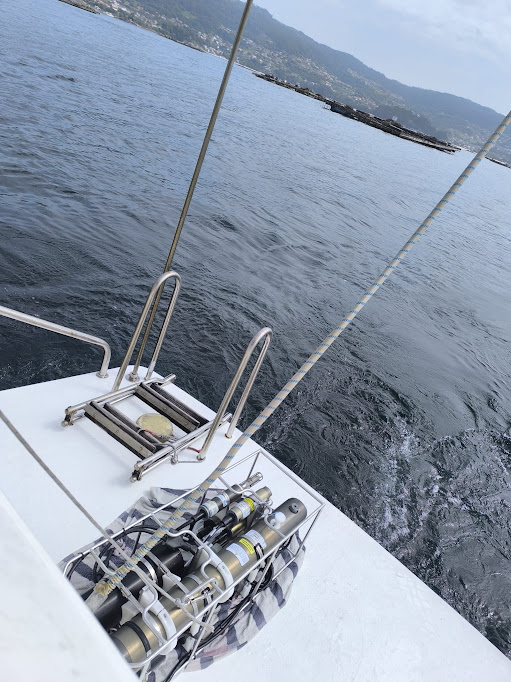
HALOBISE links routine monitoring and targeted sampling with experimental studies. Coastal work in Galicia is connected to established HAB monitoring through the USC–INTECMAR collaboration, while CIIMAR carries out freshwater monitoring and experimental studies in Portugal.
Microbiome & virome
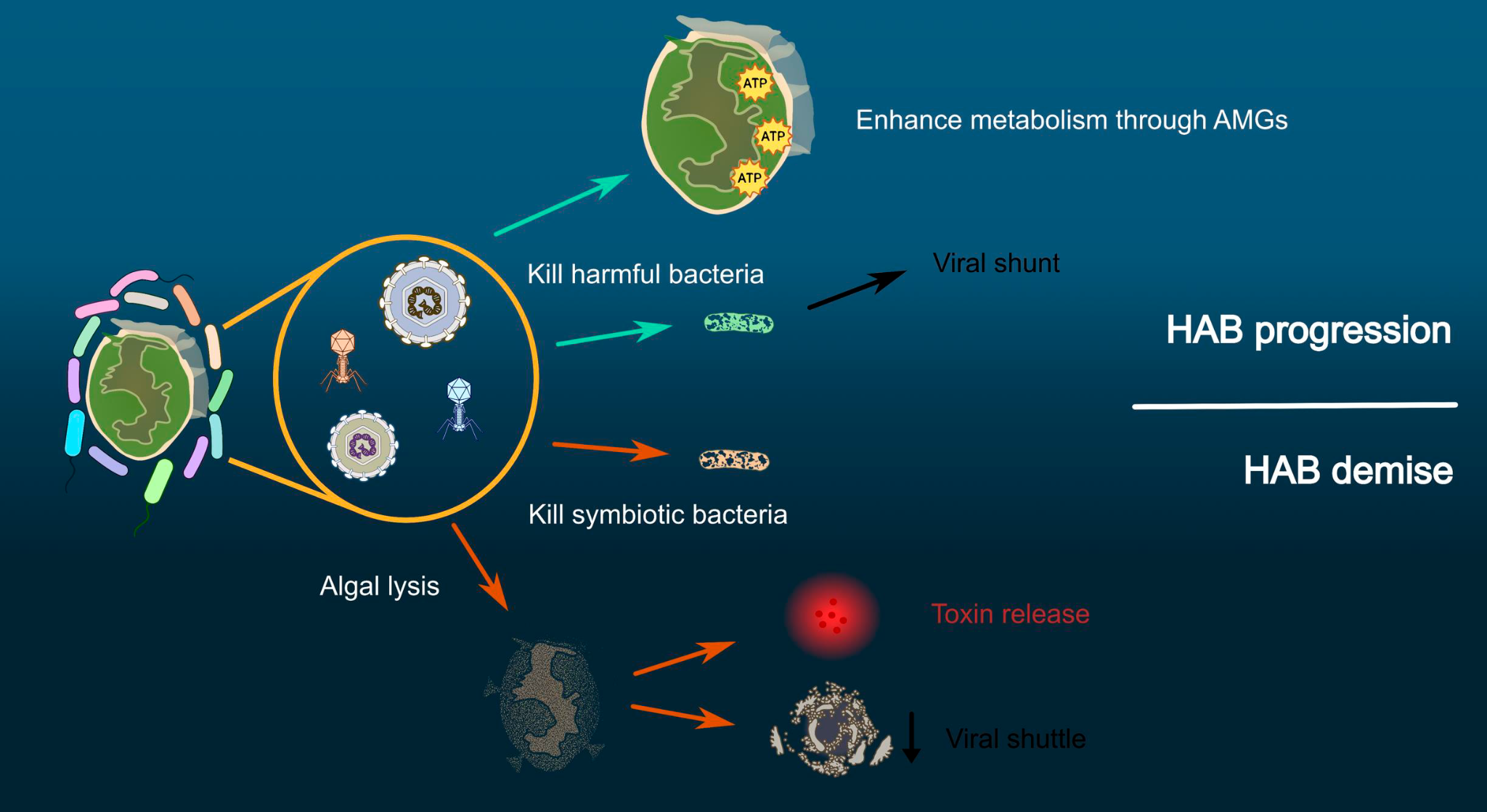
USC investigates viral communities associated with HABs using sequencing, metagenomic and culture-based approaches to explore how bacteriophages may influence the HAB holobiome.
Deep metaproteomics
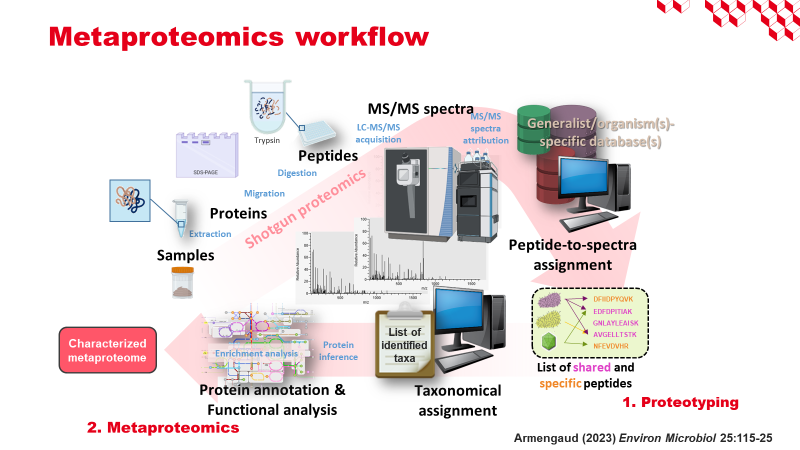
CEA applies high-resolution mass spectrometry, proteotyping and deep metaproteomics to characterize the taxonomic and functional composition of HAB holobionts and identify molecular factors associated with bloom dynamics.
Molecular effects
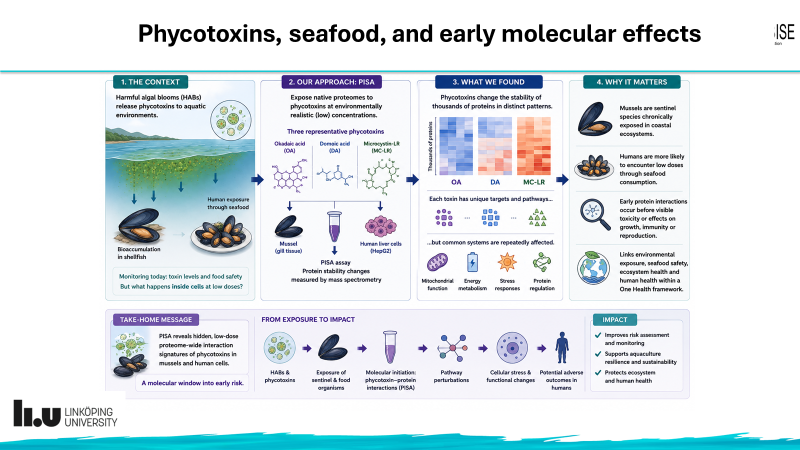
LiU applies proteome-wide approaches, including PISA, to identify phycotoxin–protein interactions and connect early molecular changes with biological processes relevant to environmental and human health.
Interdisciplinary expertise
Phytoplankton ecology, biodiversity monitoring, symbiosis and algae–microbiome interactions.
Proteomics, metaproteomics, metagenomics, molecular biology and bioinformatics.
Phycotoxins, molecular mechanisms, environmental health and ecosystem-service impacts.
Aquaculture, fisheries, bivalves and environment–production interactions.
Biological systems analysis, environmental data integration and predictive approaches.
Monitoring authorities, stakeholder engagement, knowledge transfer and management applications.
Keywords: harmful algal blooms · algae–bacteria interactions · holobiome · proteomics · marine assessment · ecosystem services
Consortium
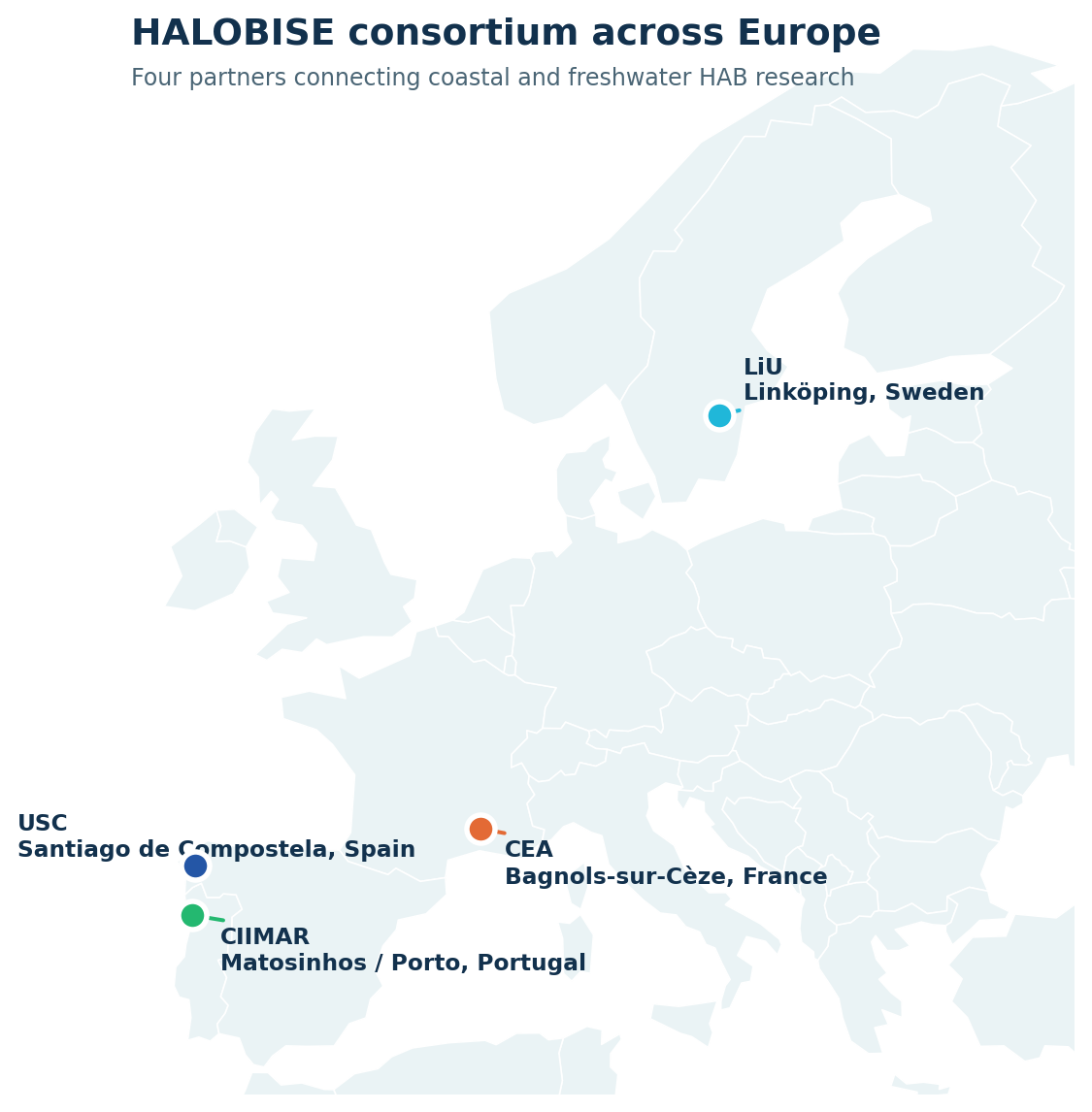

Sweden · Coordinator
Prof. Susana Cristobal
Environmental proteomics and molecular approaches to identify protein–chemical interactions and predict adverse effects of HAB phycotoxins.
Visit LiU
France
Dr. Jean Armengaud
High-resolution mass spectrometry, proteogenomics and deep metaproteomics for taxonomic and functional characterization of HAB holobionts.
Visit CEA
Portugal
Dr. Aldo Barreiro
Experimental plankton ecology, freshwater HAB monitoring and laboratory studies of holobiont responses under different environmental conditions.
Visit CIIMAR
Spain
Prof. Jesús L. Romalde
Environmental microbiology, phageome analysis, sequencing and characterization of coastal HAB samples.
Visit USCActivities & outputs
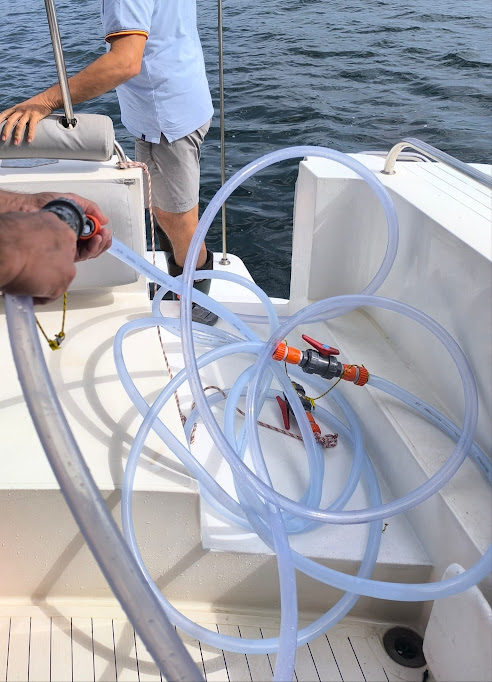
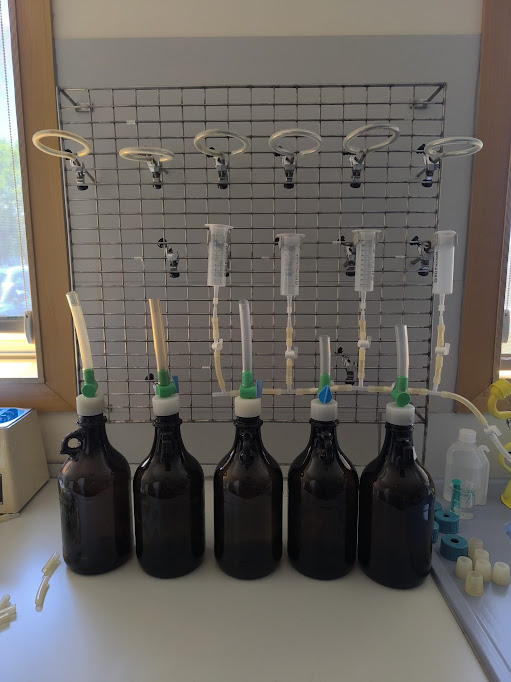
Monitoring
Field campaigns connect recurring bloom events with biological, environmental and molecular measurements.
Experiments
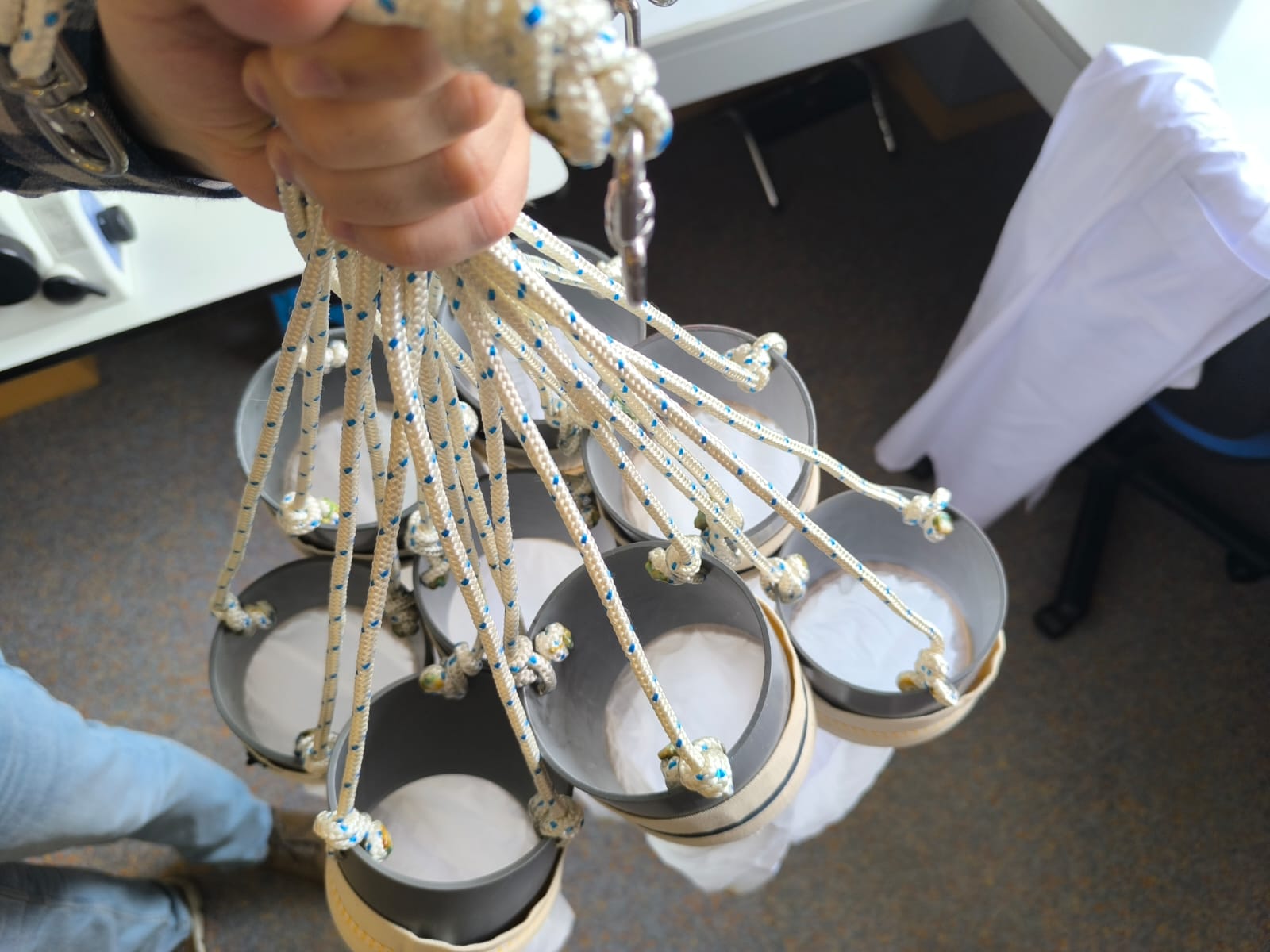
Controlled experiments test how environmental pressures influence phytoplankton communities and HAB holobionts.
Consortium
Partners shared progress across monitoring, virome analysis, metaproteomics and phycotoxin research and coordinated the next phase of the project.
Dissemination
HALOBISE results are being communicated through international scientific meetings, posters and presentations, including proteomics-focused dissemination in 2026.
Expected impact
Improve understanding of HAB initiation, progression and decline.
Support the integration of holobiont information into future monitoring approaches.
Improve prediction of adverse effects from phycotoxins.
Strengthen links between scientific evidence, monitoring and management.
Support sustainable aquaculture, fisheries, aquatic ecosystem services and water security.
Funding
HALOBISE is funded through the Water4All Partnership – 2023 Joint Transnational Call “Aquatic Ecosystem Services”.
Proposal: Water4All2023-810
National funding is provided by FORMAS (Sweden), ANR (France), FCT (Portugal) and AEI (Spain).



Contact